
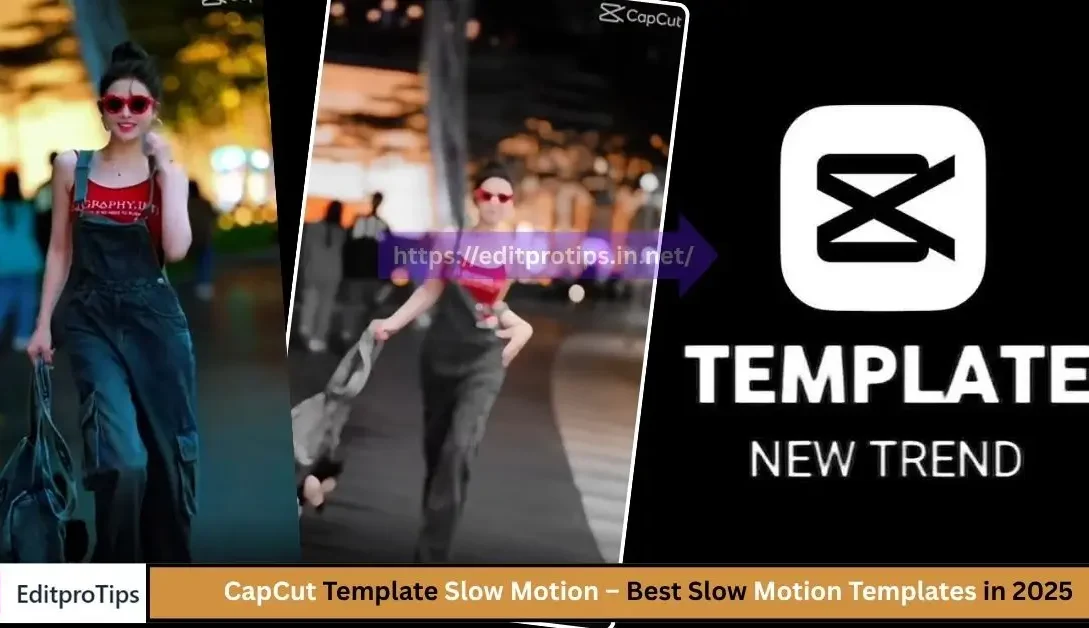
If you’re searching for the best CapCut Template Slow Motion effects in 2025, you’re in the right place. Slow-motion edits are trending everywhere—Instagram Reels, TikTok, YouTube Shorts—and creators love using CapCut template slow motion presets because they deliver smooth, high-quality results in just one click. In this post, you’ll find the latest, viral, and aesthetic slow-motion templates that you can apply instantly to level up your videos. Whether you’re a beginner or a pro editor, these templates will make your edits look cinematic, professional, and ready to go viral.
Table of Contents
Template Details
| Feature | Description |
|---|---|
| Template Name | CapCut Template Slow Motion |
| Category | Slow-Motion / Cinematic Effects |
| Resolution | HD, Full HD, 1080p, 4K (varies by template) |
| Ease of Use | One-click editing, beginner-friendly |
| Editing Style | Smooth slow-mo, cinematic shots, aesthetic transitions |
| Best For | TikTok, Instagram Reels, YouTube Shorts |
| Audio Included | Yes (depends on specific template) |
| Speed Options | 0.5x, 0.75x, 0.3x slow motion variations |
| Customization | Add clips, adjust speed, change music, color grading |
| Works On | CapCut Mobile App (Android/iOS) & CapCut Web |
How to Use CapCut Application (Beginner Friendly)
1️⃣ Open CapCut App
Install and launch the latest CapCut application on your smartphone.
2️⃣ Start a New Project
Tap New Project → select aspect ratio (recommended: 9:16 for reels/shorts).
3️⃣ Import Media
Add your clips, photos, and audio. CapCut also allows in-app recording if needed.
CapCut Template Slow Motion (100% Working Link)
✔ Latest Version
✔ One-Click Edit
✔ High-Quality Export
✔ Fast Transitions
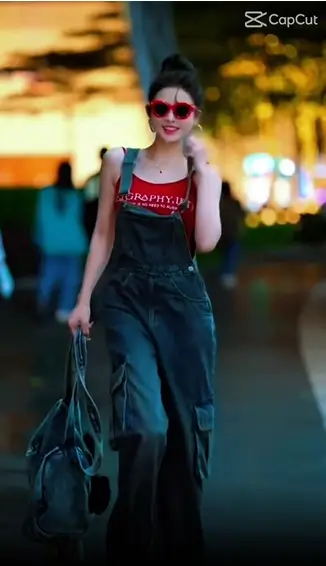
How to Use CapCut Template Slow Motion (Step-by-Step Guide)
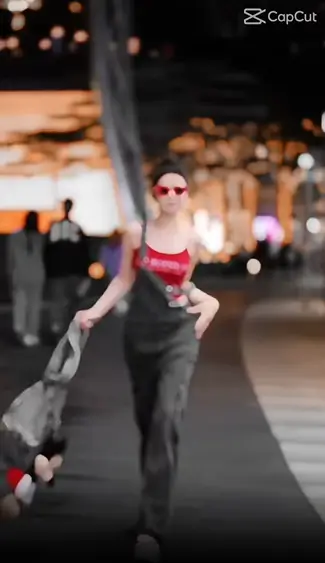
Follow these simple steps to apply a capcut template slow motion to your video — whether you’re on mobile or using CapCut Web. This guide is beginner-friendly and includes quick tips to make your slow-motion edits look cinematic.
1. Prepare your clips
- Record footage with a higher frame rate if possible (60fps or 120fps) — it results in smoother slow motion.
- Choose clips with clear motion (walks, jumps, spins, water, cars, hair flips).
- Trim each clip so the action you want to slow happens near the center of the clip.
2. Open CapCut and start a new project
- Launch CapCut (Android/iOS) or open CapCut Web and tap New Project.
- Import the clips you prepared. Arrange them in the order you want the final video to play.
3. Apply the slow-motion template
- Go to Templates (or Discover → Templates) in the CapCut app or locate the template area on CapCut Web.
- Search for your template using the keyword capcut template slow motion.
- Preview templates and choose one that matches your clip style (cinematic, VHS, dreamy, etc.).
- Tap Use Template (or Apply) and let CapCut automatically place clips into the template’s placeholders.
4. Match clips to template placeholders
- If the template requires specific clip durations, make sure each placeholder has an appropriate clip.
- Replace or reorder clips by tapping the placeholder and selecting a different clip from your project.
- Play the preview to ensure the timing and flow feel natural.
5. Adjust slow-motion speed (if needed)
- Select a clip and open the Speed controls.
- For smooth slow-mo, choose Curve or Custom and ease into and out of the slow section (ramping).
- Typical settings: 0.5x for subtle slow motion, 0.3x or lower for dramatic slow motion — but higher-frame-rate footage looks best at lower speeds.
6. Fine-tune transitions & timing
- Many slow-motion templates include transitions — adjust transition length to match beats or action.
- Use the timeline zoom to nudge clip edges by single frames for perfect sync.
- If the slow-motion feels abrupt, add a short crossfade (0.1–0.3s) or use speed ramping.
7. Add or adjust audio
- Most templates include a music track. Tap Audio to preview.
- To sync slow-motion hits to beats, move clip placements slightly or trim audio.
- Add sound effects (swoosh, whoosh, slow-reverb hits) to enhance impact. For dramatic slow-mo, try a low reverb hit at the moment motion pauses.
8. Color grading & overlays
- Apply the template’s preset filters or open Adjust → Color for manual tweaks (contrast, saturation, highlights).
- For a cinematic slow-mo look, slightly lower highlights, increase contrast, and add a subtle teal/orange LUT if available.
- Add grain or vignette sparingly — it helps sell cinematic slow motion.
9. Preview in full resolution
- Tap Play and watch the video at full resolution. Check for stutter, mismatched audio, or abrupt cuts.
- If using high-frame-rate footage, ensure the preview plays smoothly — otherwise re-render.
10. Export with best settings
- Go to Export. Use at least 1080p — choose 4K if your footage supports it.
- Set a higher bitrate or choose High quality to retain smooth slow motion.
- Export at the same frame rate you recorded if possible; CapCut will handle conversions but matching frame rates preserves motion clarity.
Quick Troubleshooting
- Stuttering slow-mo: Use higher frame-rate footage (60/120fps) or reduce the slow factor.
- Audio and video out of sync: Re-align audio in the timeline and export at original frame rate.
- Template clips don’t fit: Trim or extend clips; use freeze-frame for very short actions.
- Slow-motion looks choppy after export: Re-export at higher quality or use intermediate slower factor (e.g., 0.6x instead of 0.3x).
Pro tips
- Pre-plan your shots: slow-motion works best when the action is clean and well-lit.
- Use speed ramping (ease in/out) to make slow-mo feel natural and cinematic.
- Match slow-motion peaks to musical beats for viral-ready edits.
- Keep clips slightly longer than needed so you can fine-tune timing in the template.
- Save a copy of the project before heavy edits so you can revert if needed.
Benefits of This Template
| Feature | Description |
|---|---|
| One-Click Editing | No manual editing required |
| Trend Ready | Designed for current viral trends |
| HD Export | High-quality results |
| Beginner Friendly | Easy even without experience |
| Works with Photos & Videos | Flexible usage |
Conclusion
Using a CapCut Template Slow Motion is one of the fastest ways to create smooth, cinematic, and viral-ready videos in 2025. Whether you’re editing for TikTok, Instagram Reels, or YouTube Shorts, slow-motion templates help you achieve professional results with just one click. These templates save time, boost video quality, and make your content stand out with aesthetic effects, seamless transitions, and perfect timing.
If you want stylish, eye-catching slow-mo edits without complex editing skills, these templates are the best option to get started. Try different slow-motion styles, experiment with speed ramping, and create videos that grab attention instantly.
Frequently Asked Questions (FAQs)
What is a CapCut Template Slow Motion?
It is a pre-made editing preset in CapCut that applies slow-motion effects, transitions, and timing automatically. You just add your clips, and the template handles the rest.
Are slow-motion templates free in CapCut?
Yes, most slow-motion templates in CapCut are completely free. Some premium or advanced ones may require an account, but no payment is usually needed.
Can beginners use slow-motion templates?
Absolutely. These templates are beginner-friendly and require no advanced editing skills. Just upload your clips and tap Use Template.
Do slow-motion templates work on CapCut Web?
Yes, many slow-motion templates are available on both CapCut Mobile and CapCut Web. Features may vary depending on the version.
What is the best speed for slow motion?
Common smooth speeds are 0.5x, 0.75x, and 0.3x. For very smooth slow motion, using 60fps or 120fps footage is recommended.
Why does my slow-motion video look laggy?
Your footage might have been recorded at a low frame rate. Slow-motion works best when recorded at 60fps or higher. Also, use the High Quality export mode.